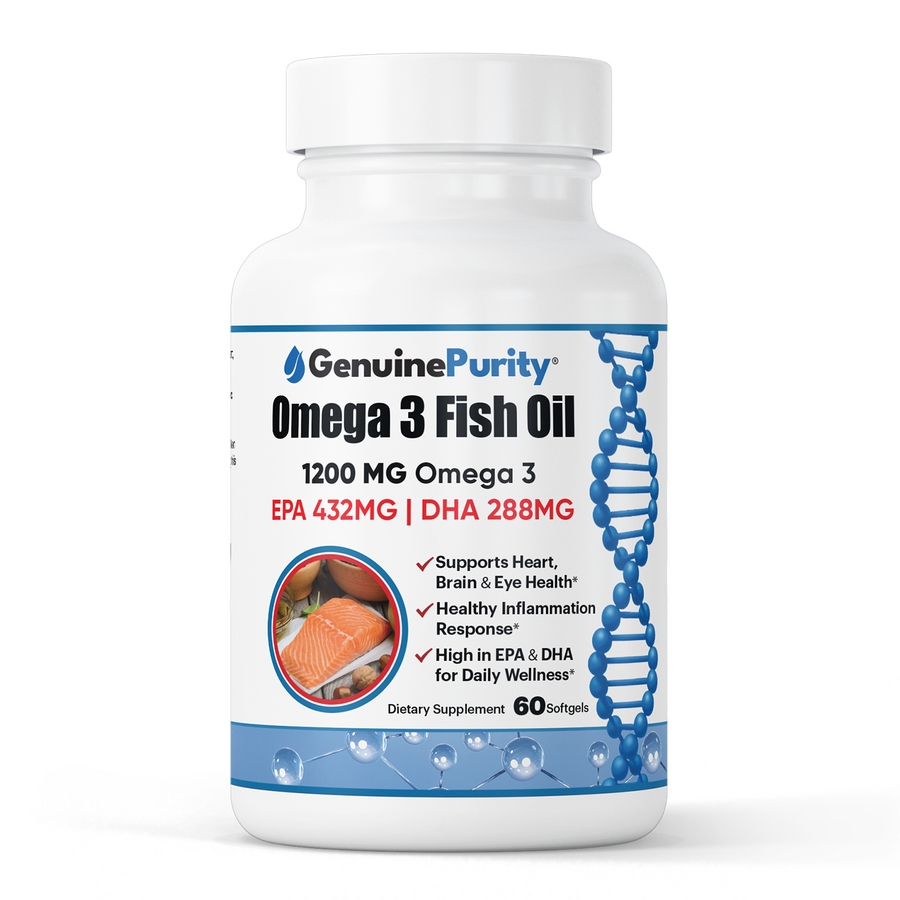
Fish oil, rich in omega-3 fatty acids EPA and DHA, has become a staple in many wellness routines because of its wide-ranging health benefits. From supporting cardiovascular health to enhancing cognitive function, the supplement offers advantages that appeal to athletes, seniors, and anyone seeking a balanced diet. However, not all fish oil products are created equal. Understanding the science behind the benefits, recognizing quality markers, and matching a formula to personal health goals are essential steps before making a purchase. This guide explores the proven advantages of fish oil, outlines key factors to evaluate when selecting a supplement, and provides practical tips for integrating it safely into a daily regimen.
Proven Health Benefits of Fish Oil
Cardiovascular Support
- EPA and DHA help reduce triglyceride levels, a major risk factor for heart disease.
- Regular intake can modestly lower blood pressure and improve arterial flexibility.
- Anti-inflammatory properties contribute to healthier cholesterol ratios.
Cognitive Function and Mood
- DHA is a structural component of brain cell membranes, supporting neurotransmission.
- Studies link consistent omega-3 consumption with improved memory and faster processing speed.
- EPA has been shown to aid mood regulation, potentially reducing symptoms of mild depression.
Joint and Inflammatory Health
- Omega-3s compete with arachidonic acid, lowering production of pro-inflammatory eicosanoids.
- People with rheumatoid arthritis often experience reduced joint stiffness and pain when supplementing with fish oil.
- Enhanced joint lubrication can benefit active individuals and older adults alike.
Eye Health
- DHA is a major fatty acid in retinal tissue, essential for optimal visual acuity.
- Long-term supplementation may slow age-related macular degeneration progression.
Key Criteria for Choosing a High-Quality Fish Oil Supplement
- Purity and Contaminant Testing – Look for products certified by third-party labs for heavy metals, PCBs, and dioxins.
- EPA/DHA Ratio – Depending on goals, a higher EPA ratio benefits heart health, while a higher DHA ratio supports brain function.
- Form of Omega-3 – Triglyceride or re-esterified forms are better absorbed than ethyl ester versions.
- Freshness – Oxidation leads to rancid oil; check for antioxidants like vitamin E and a low peroxide value.
- Dosage Transparency – The label should state the exact milligram amount of EPA and DHA per serving.
- Sustainability – Certifications such as MSC or Friend of the Sea indicate responsibly sourced fish.
Reading the Label Effectively
When evaluating a bottle, note the following details:
- Total fish oil per serving (e.g., 1000″?mg)
- Specific EPA and DHA quantities (e.g., 600″?mg EPA, 400″?mg DHA)
- Any added ingredients (e.g., vitamin D, astaxanthin) that may enhance benefits.
- Expiration date – fresher oil provides better potency.
How to Match a Product to Your Personal Needs
Different health objectives call for tailored omega-3 strategies. Below are common scenarios and the type of fish oil that aligns best.
- Heart Health Focus – Choose a formula with a higher EPA content (approximately 60-70% of total omega-3s). Discover expert strategies here for selecting a cardiovascular-oriented product.
- Brain & Mood Support – Prioritize DHA-rich blends (50%+ DHA). Learn about our tailored solutions that emphasize cognitive benefits.
- Joint Comfort – Look for added antioxidants and a balanced EPA/DHA ratio to maximize anti-inflammatory effects. Explore advanced guides and tips on joint-focused supplementation.
- Vegetarian or Allergy-Sensitive Users – Consider algae-derived omega-3s, which provide DHA without fish sourcing.
Safe Usage Guidelines
- Start with a low dose (e.g., 500″?mg EPA”?+”?DHA) and gradually increase to the recommended amount.
- Take the supplement with meals containing fat to improve absorption.
- Consult a healthcare professional if you are pregnant, nursing, or taking blood-thinning medication.
- Monitor for mild gastrointestinal symptoms; splitting the dose throughout the day can help.
Integrating Fish Oil Into a Balanced Lifestyle
While fish oil can fill nutritional gaps, it works best when paired with a wholesome diet and regular activity.
- Consume fatty fish (salmon, mackerel, sardines) at least twice a week for natural omega-3 sources.
- Combine supplementation with a Mediterranean-style eating pattern rich in vegetables, whole grains, and healthy fats.
- Maintain consistent exercise routines, cardio and strength training amplify cardiovascular and joint benefits.
For those ready to add a high-quality supplement to their routine, exploring reputable options can simplify the decision-making process. Find out more about this approach and ensure the chosen product meets the standards outlined above.
Conclusion
Fish oil’s omega-3 fatty acids deliver measurable advantages for heart health, brain function, joint comfort, and eye vitality. Selecting the right product requires careful attention to purity, EPA/DHA composition, form, freshness, and sustainability. By aligning these factors with individual health goals and following safe dosing practices, consumers can confidently harness the full potential of fish oil. A thoughtful choice, combined with a balanced diet and active lifestyle, creates a solid foundation for long-term wellbeing.